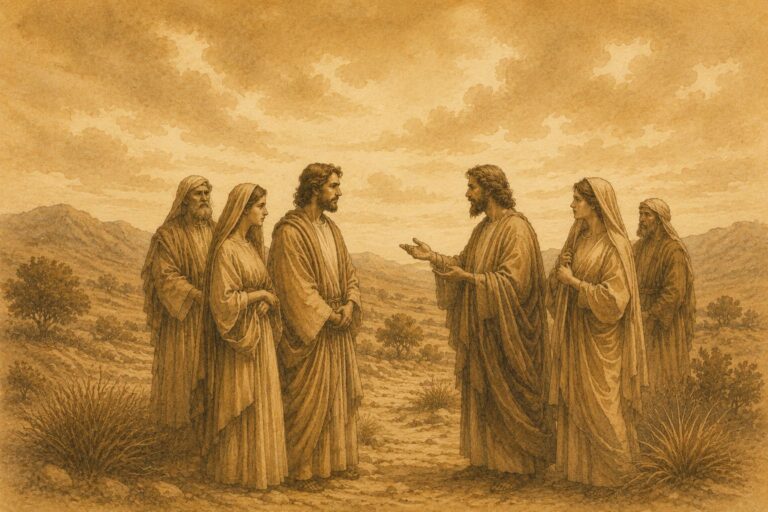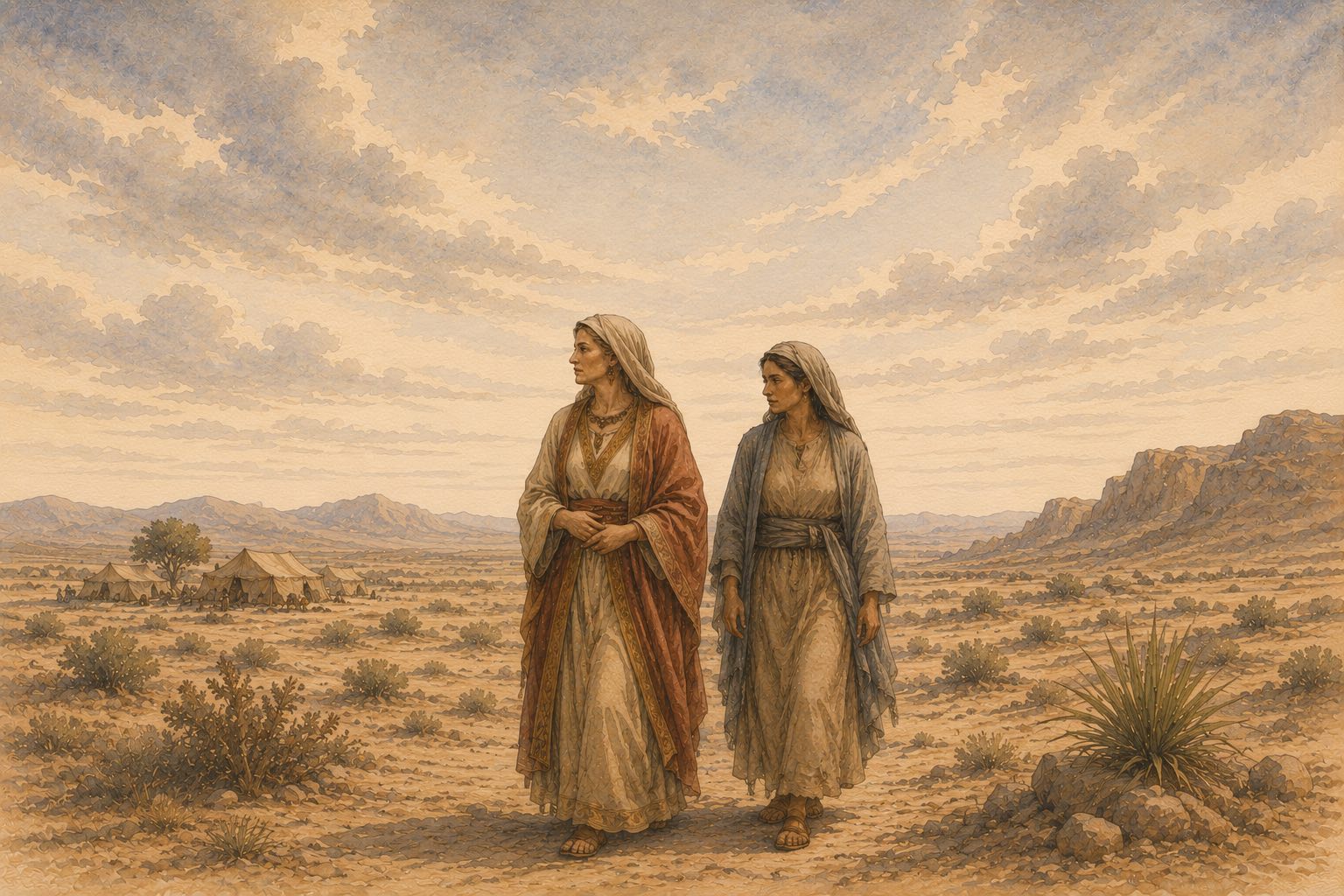
Sarah and Hagar
Hagar’s Background
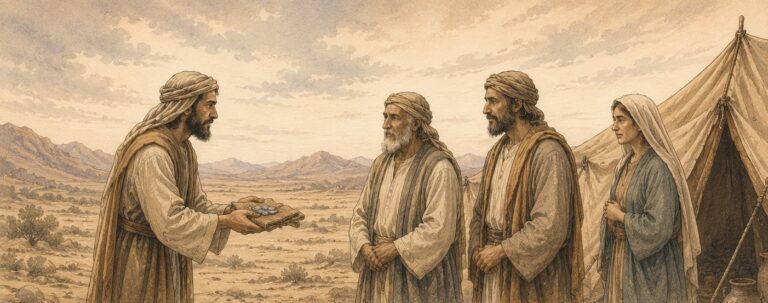
Hagar accompanied Abraham and Sarah on the last part of their journey, from Egypt to Hebron, to settle in the Promised Land.
She was a slave maidservant, bought in Egypt – that was her legal status.
In times of hardship and scarcity, even modest households could possess servants or slaves if they were able to provide basic sustenance.
Marriage and Status in Biblical Times
In biblical times, a man could marry multiple wives (if he could support them, of course). Each wife had her own status:
- Sarah was Abraham’s Senior Wife.
- Hagar was a maidservant and legally belonged to Sarah. She could be given in marriage to whomever her mistress chose, and even her children could be sold by the household. A maidservant held no independent legal status and could not own property herself.
Sarah was desperate and believed that she would never be able to provide Abraham with children. In her eyes, her barrenness threatened her status, purpose, and security within the household.
The Bible repeatedly emphasizes Hagar’s legal status as Sarah’s maidservant, mentioning it no fewer than nine times throughout the narrative. Why is this so strongly stressed?
Hagar and Abraham
From a legal point of view, Abraham could marry multiple wives, and in many circumstances this was socially acceptable and even encouraged.
Hagar, however, occupied a unique position within the household. She was Sarah’s maidservant and legally belonged to her.
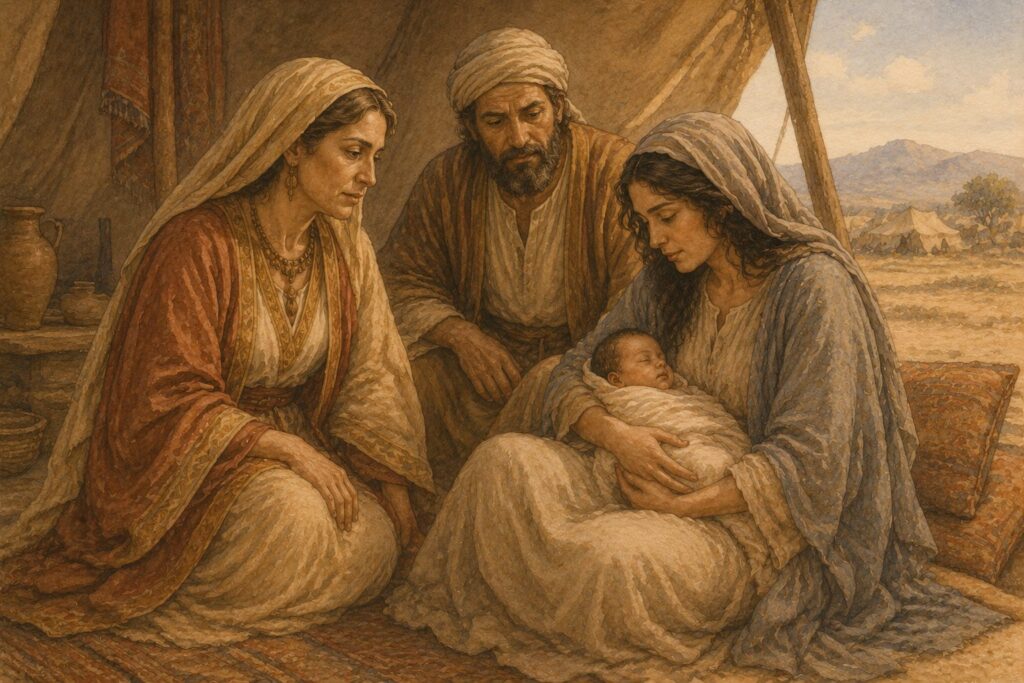
Sarah gave Hagar to Abraham so that she could bear a child on her behalf. Because Hagar remained Sarah’s servant, the child born from this union would not belong to the slave woman, but rather to the mistress of the household. In this sense, the child would become Sarah’s son.
“…See now, the Lord has restrained me from bearing children. Please, go to my maid; perhaps I shall obtain children by her.”
Genesis 16:2
Having a son – even if not biologically her own – would provide Sarah with a successor and remove the social disgrace associated with barrenness.
Within the biblical household structure, bearing a man’s child could elevate a woman’s status and strengthen her position within the family. Sarah gave Hagar to Abraham to be his wife but at the same time kept her as her maidservant. Sarah could not easily separate Hagar from the household immediately after the birth. She had to keep her with her for at least three years because the child still depended on his biological mother for nursing.
So every day, Sarah had to see how the baby who had been born on her behalf formed a bond with his biological mother.
What did Hagar get out of it?
- She was married to a free man (Abraham).
- Her son would be free.
- She could remain with her son during his early years.
- Sarah’s dependence on Hagar elevated Hagar’s position within the household.
Sarah, the Senior Wife, who had to be helped by her maidservant in order to keep her status, was the one who built up Hagar and would change her status.
Changing Dynamics in the Household
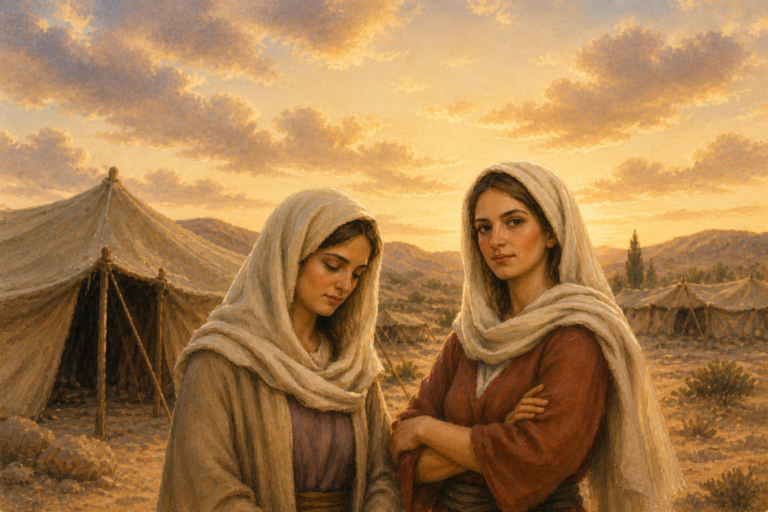
Hagar felt that the relationship in Abraham’s house was changing in her favour. She felt that she could despise Sarah and did not have to listen to her anymore.
“…her mistress became despised in her eyes.”
Genesis 16:4
Hagar’s position within the household had been elevated through her connection to Abraham and the birth of Ishmael. Sarah was angry at Abraham for supporting and strengthening Hagar, and this may explain why Hagar felt emboldened to challenge Sarah and disregard her authority.
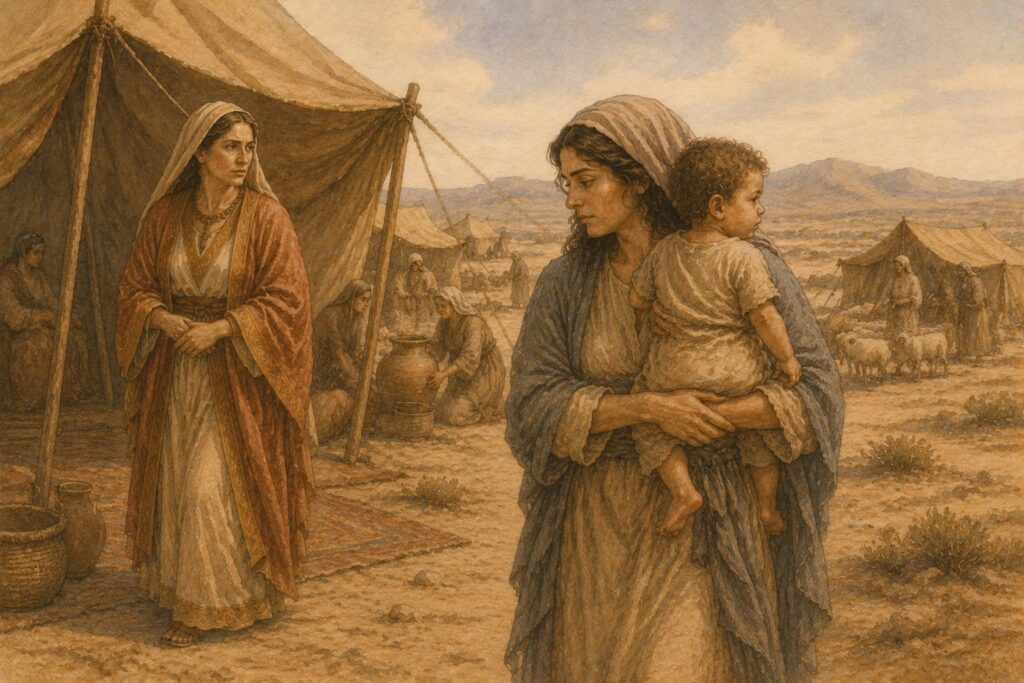
We don’t know what went on throughout the years between Sarah and Hagar, between the time that Ishmael was born and the time that Sarah herself became pregnant.
The Birth of Isaac and the End of Ishmael’s Primacy
Sarah’s position within the household was restored when she gave birth to a son, Isaac.
Ishmael was born as Abraham’s eldest son. The birth of Ishmael granted Sarah her status, but she dropped her patronage over him after the birth of her biological son.
Ishmael would still be free, but he would not receive the rights awarded to a firstborn son. The “right of the firstborn” – the primacy – was determined according to the status of the mother. Since Sarah was the Senior Wife, her status was higher, and therefore her child would receive the right of the firstborn.
“And Sarah saw the son of Hagar the Egyptian, who she had borne to Abraham, scoffing.”
Genesis 21:9
In the Hebrew text, the word (translated as “scoffing”) is מצחק (MEZAHEK). Its exact meaning is uncertain, but it likely refers to a crime, possibly involving inappropriate behavior, mockery, or even idolatrous conduct.
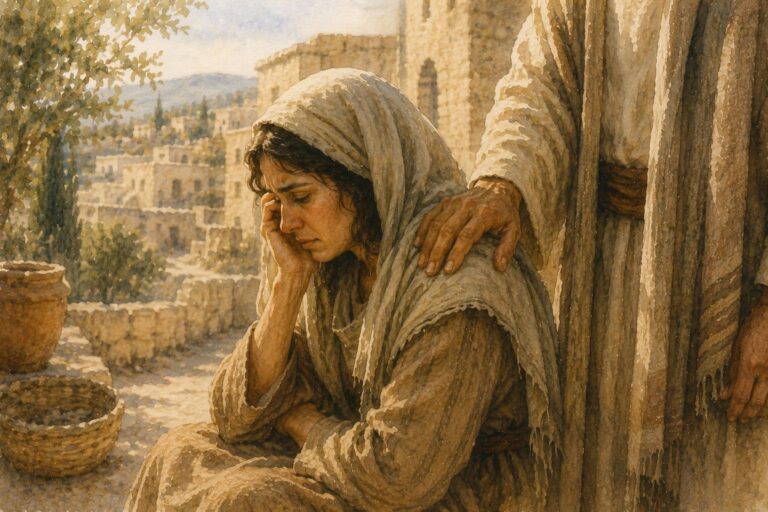
Sarah saw this as an opportunity to resolve the household issue and demanded that Abraham banish Hagar and Ishmael.
Ishmael was Hagar’s son and no longer considered Sarah’s.
Sarah was troubled by the idea that Ishmael, born as Abraham’s eldest son, would continue to claim the status associated with the firstborn son and would therefore endanger Isaac’s position.
Abraham did not like this idea, and he found himself faced with a dilemma. The Lord God intervened and told Abraham to listen to Sarah and banish Hagar and Ishmael.
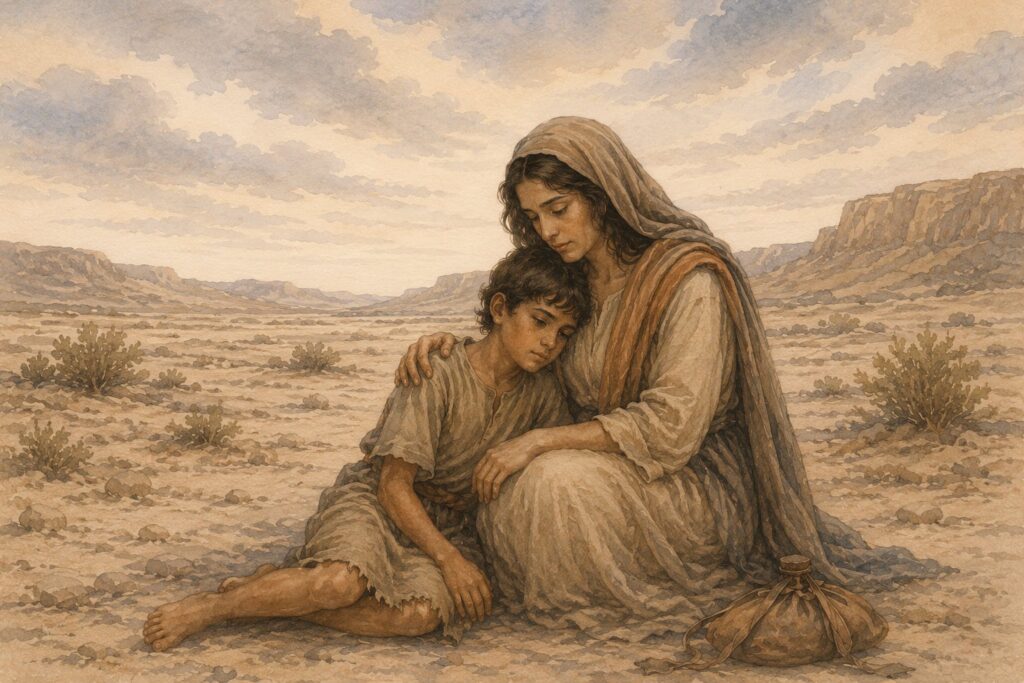
With the departure of Hagar and her son, the threat to Isaac also disappeared, and there would be no doubt about his receiving the right of the firstborn.
Sarah, now secure in her position of Senior Wife, ultimately secured the position of Isaac and the continuation of her lineage within Abraham’s household.