The Mohar (Bride Price)
Marriage in the Ancient World
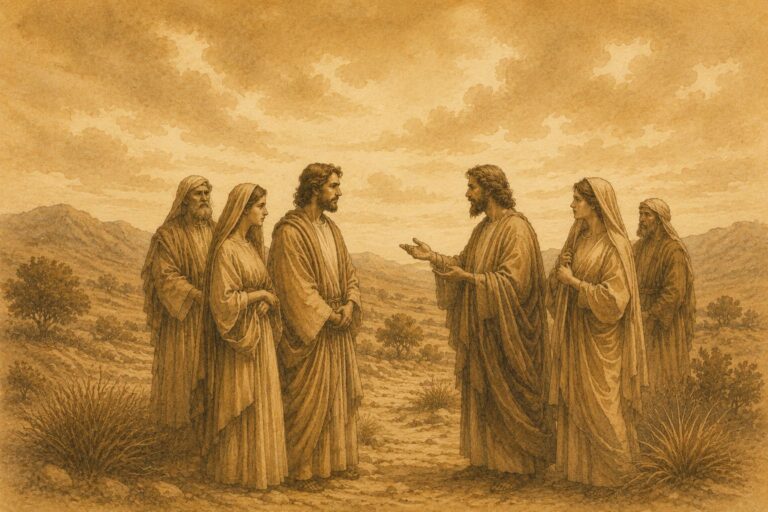
In ancient times marriages were arranged and conducted by the fathers of the bride and the groom. It was a serious and binding agreement between families, not merely between individuals.
One of the primary purposes of marriage was to produce children, since bringing new life into the world was considered of utmost importance.
A secondary purpose was to strengthen the economic and political standing of both families. Marriages created alliances – either by connecting unrelated families or reinforcing existing bonds.
The Exchange of Daughters
One common way of forming these alliances was through the exchange of daughters.
A daughter from one family would marry a son from another and leave her household to join her husband’s family. In return, the receiving family would give their own daughter in marriage to the other family’s son.
This mutual exchange created extended family networks and strengthened loyalty between households.
The exchange also helped ensure that each bride held a position of honor. A woman entering a household through such an agreement would often be regarded as the senior wife, at least at the beginning of the marriage.
Status and Fertility
A wife’s status could also be influenced by her ability to bear children – particularly male offspring.
Fertility was not only a personal matter but also a social and economic one, as children contributed to the strength, labor, and future security of the family.
What is a Mohar?
If a family did not have a daughter to offer in exchange for a bride, then they were required to provide a Mohar.
A Mohar (often translated as “bride price”) was a form of compensation given by the groom or his family to the bride’s family in place of an exchanged daughter.
(Note: this is distinct from a dowry, which is typically brought by the bride to the marriage.)
Biblical Examples of the Mohar
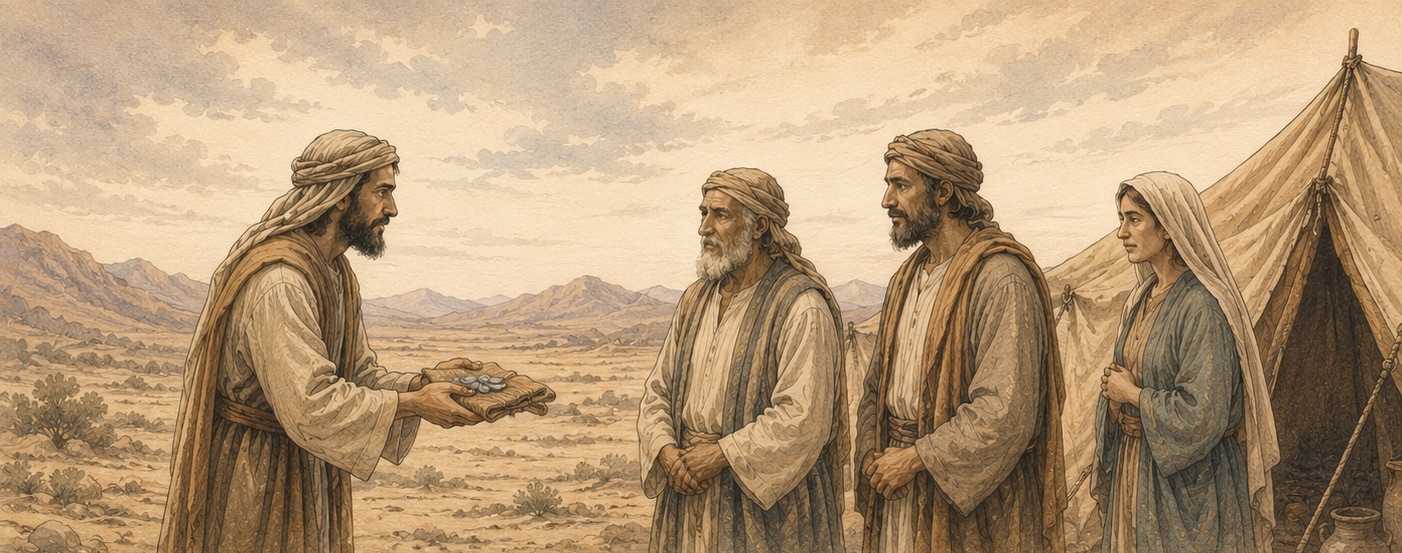
One example appears in the marriage of Isaac and Rebekah. Since Abraham had no daughter to offer, gifts were given as compensation:
“…Then the servant brought out jewelry of silver, jewelry of gold, and clothing and gave to Rebekah. He also gave precious things to her brother and to her mother.”
Genesis 24:53
Another example is found in 1 Samuel, in the account of David and Michal, daughter of Saul:
“…Does it seem to you a light thing to be a King’s son-in-law, seeing I am a poor and lightly esteemed man?…”
1 Samuel 18:23
“Then Saul said, ‘Thus you shall say to David: ‘The King does not desire any dowry but one hundred foreskins of the Philistines…'”
1 Samuel 18:25
Why Exchange was Preferred
It was generally preferable to exchange daughters rather than provide a Mohar.
This created a form of mutual accountability, as each family had a vested interest in the well-being of the other’s daughter.
Additionally, children born from the marriage were considered part of the husband’s family. Without an exchanged daughter, the bride’s family would lose both their daughter and any future descendants from her line.
In the ancient world, children represented strength, labor, protection, and future security. In many ways children represented power. They could work to help build and advance the family, to provide for them, protect them, and give the family a strong future.
Jacob’s Mohar
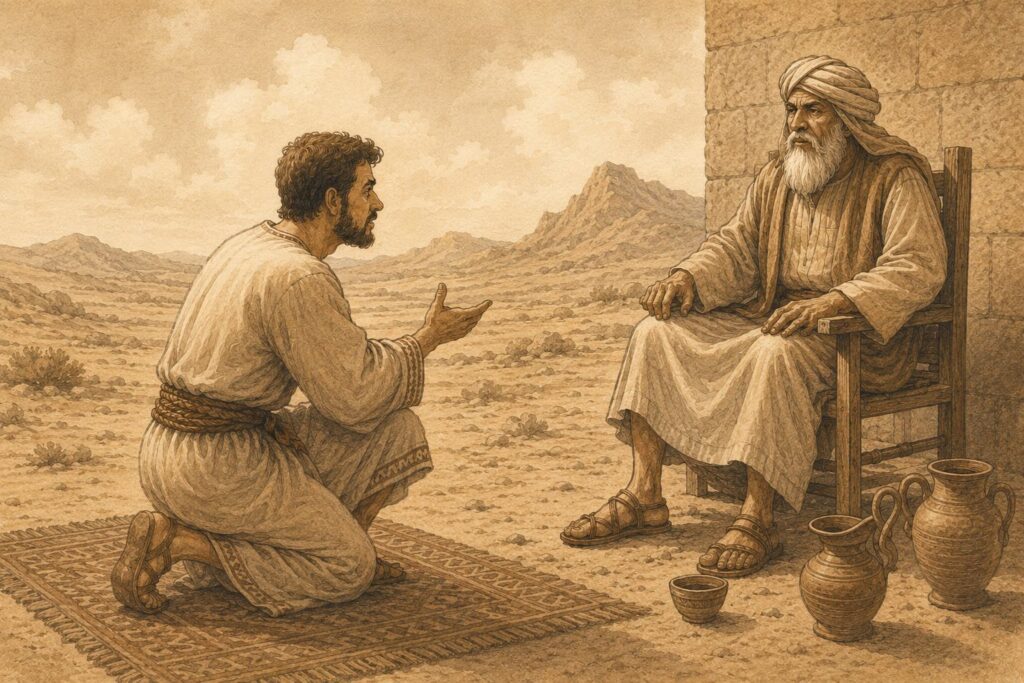
A well-known example of a Mohar is found in the story of Jacob and Laban.
Jacob agreed to work seven years for Laban in order to receive Rachel’s hand in marriage. These years were a demonstration of his commitment and also served as his Mohar.
The Deception at the Wedding
During the wedding feast, Laban deceived Jacob. Under the cover of night and festivity, he sent his older daughter, Leah, to Jacob’s room instead of Rachel.
Jacob did not realize the substitution until the morning. This clever and deliberate deception allowed Laban to marry off his older daughter first, following the custom that the elder daughter must be married before the younger.
Leah’s Position
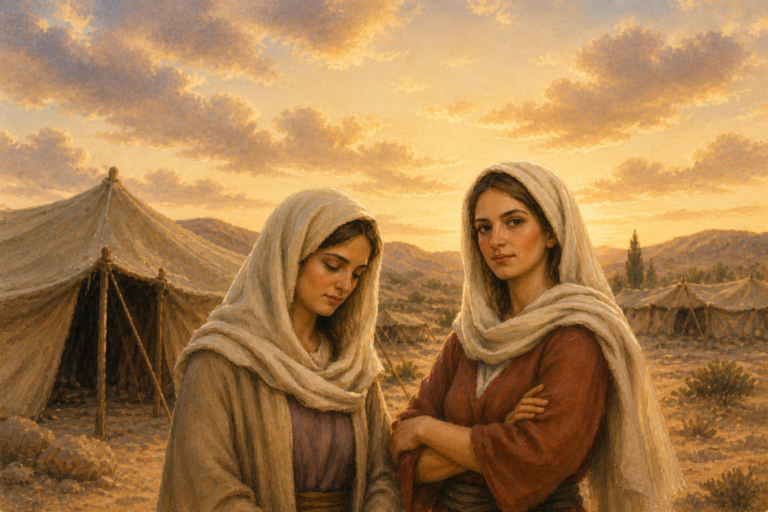
Leah is described as having “delicate eyes”, which may suggest a physical weakness or impairment. In the context of ancient marriage arrangements, this could have affected how she was perceived in terms of desirability, which may have contributed to Laban’s eagerness to secure her marriage.
As a result of the deception, Leah became Jacob’s first wife and gained the initial status of senior wife, despite Jacob’s desire to marry Rachel. The complex relationship between Rachel and Leah would continue to shape the family for many years afterward.
Jacob’s Vulnerable Status
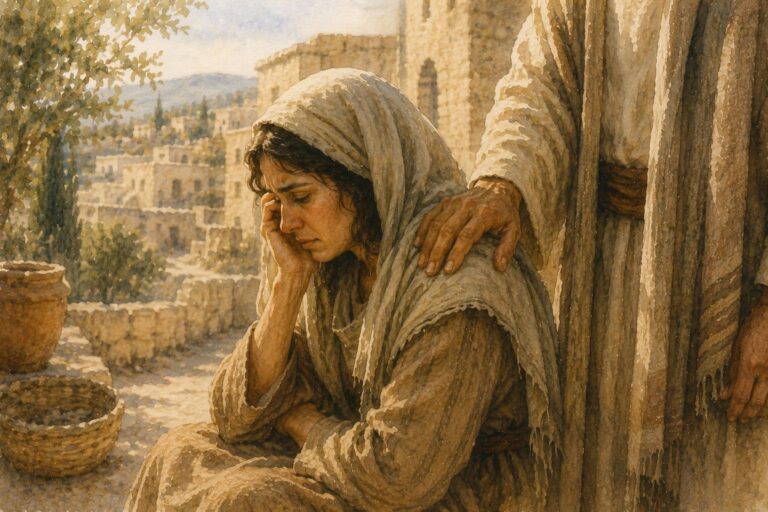
Jacob’s position as a foreigner and refugee left him without power to demand justice or resist Laban’s manipulation. In a normal situation, he might have challenged the arrangement or sought compensation. But in this case, his dependence on Laban made him vulnerable to his exploitation.
Paying Twice for Rachel
Eventually, Jacob did marry Rachel, but he had to work an additional seven years to secure her hand. In effect, he paid twice for his Mohar:
- Through his unintended marriage to Leah, who became senior wife.
- Through additional labor to marry Rachel, fulfilling the original agreement.
This story highlights the complexities of Mohar, marriage customs, and social hierarchy in ancient times, while also showing the intricate interplay of family, tradition, and personal desire.