Women in the Bible
An introduction to marriage, household structure, and the status of women in the biblical world.
Marriage in the Ancient World
In biblical times, many people died young, and average life expectancy was often far lower than in the modern world, sometimes estimated at around thirty to forty years. Many never survived childhood, and even those who reached adulthood often lived under harsh conditions shaped by famine, disease, war, and physical labor.
These conditions created societies that were:
- young,
- vulnerable,
- and deeply concerned with survival and continuity.
In such a world, childbirth was considered essential to the preservation of the family line and the future of the community. For this reason, women were often primarily valued for their ability to bear children and strengthen the household.
Marriage and Childhood
In parts of the ancient world, formal marriage arrangements could begin at a very young age. Some ancient traditions and legal interpretations placed the earliest acceptable age for marriage for girls around nine to eleven years old, though actual practices likely varied between cultures, regions, and historical periods.
After giving birth, mothers would typically nurse their children for several years. During this early stage of life, young children remained closely attached to their mothers.
Some traditions even discuss the age of “three years and one day” in connection with the household and future marriage arrangements. In certain cases, daughters could later be raised within the household of their future husband’s family prior to the completion of the marriage.
The Story of Rebekah
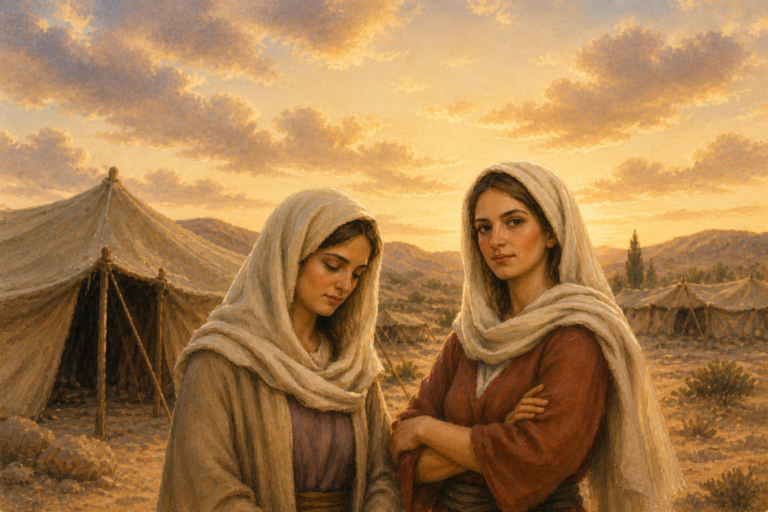
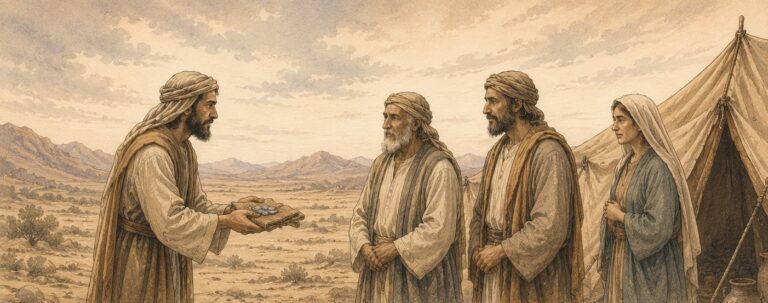
In the Book of Genesis, Abraham’s servant travels to the city of Nahur, in Mesopotamia in search of a wife for Isaac. When Rebekah’s family attempts to delay her departure they say:
“…let the young woman stay with us a few days, at least ten, after that she may go”
genesis 24:55
Some interpreters have understood this passage as implying that Rebekah was still very young at the time of her betrothal.
In Biblical Hebrew, references to “days” can sometimes carry a broader meaning depending on the context, occasionally referring to longer periods of time rather than literal days alone.
Rebekah is also accompanied by her nurse, suggesting the presence of a caretaker or household guardian who traveled with her into her new life.
The Status of a Woman
In biblical society, the status of a woman could be influenced by several factors:
- Her birth status – whether she came from a free household or from servitude.
- Her position within her husband’s household.
- Whether she bore children, especially sons, who would continue the family line.
The lives of women in the biblical world were shaped by household structure, marriage, childbirth, inheritance, and survival. The following teachings explore those themes through the stories of individual women and the social realities that surrounded them.