Yibbum (Levirate Marriage)
The Law of Yibbum
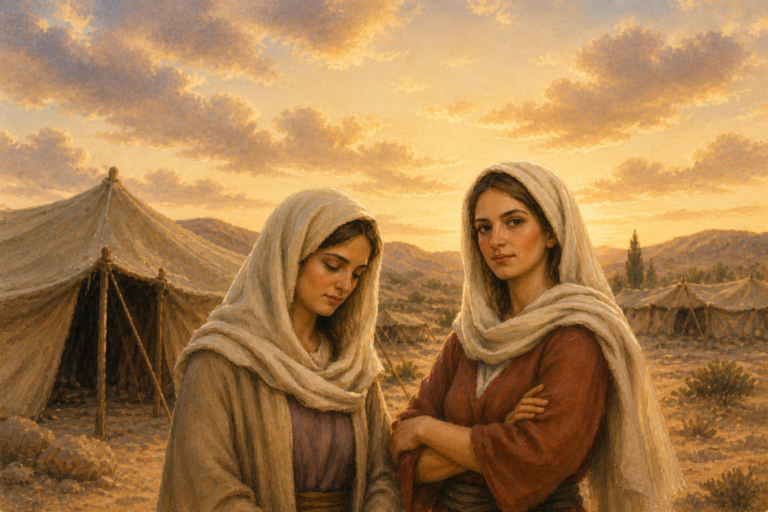
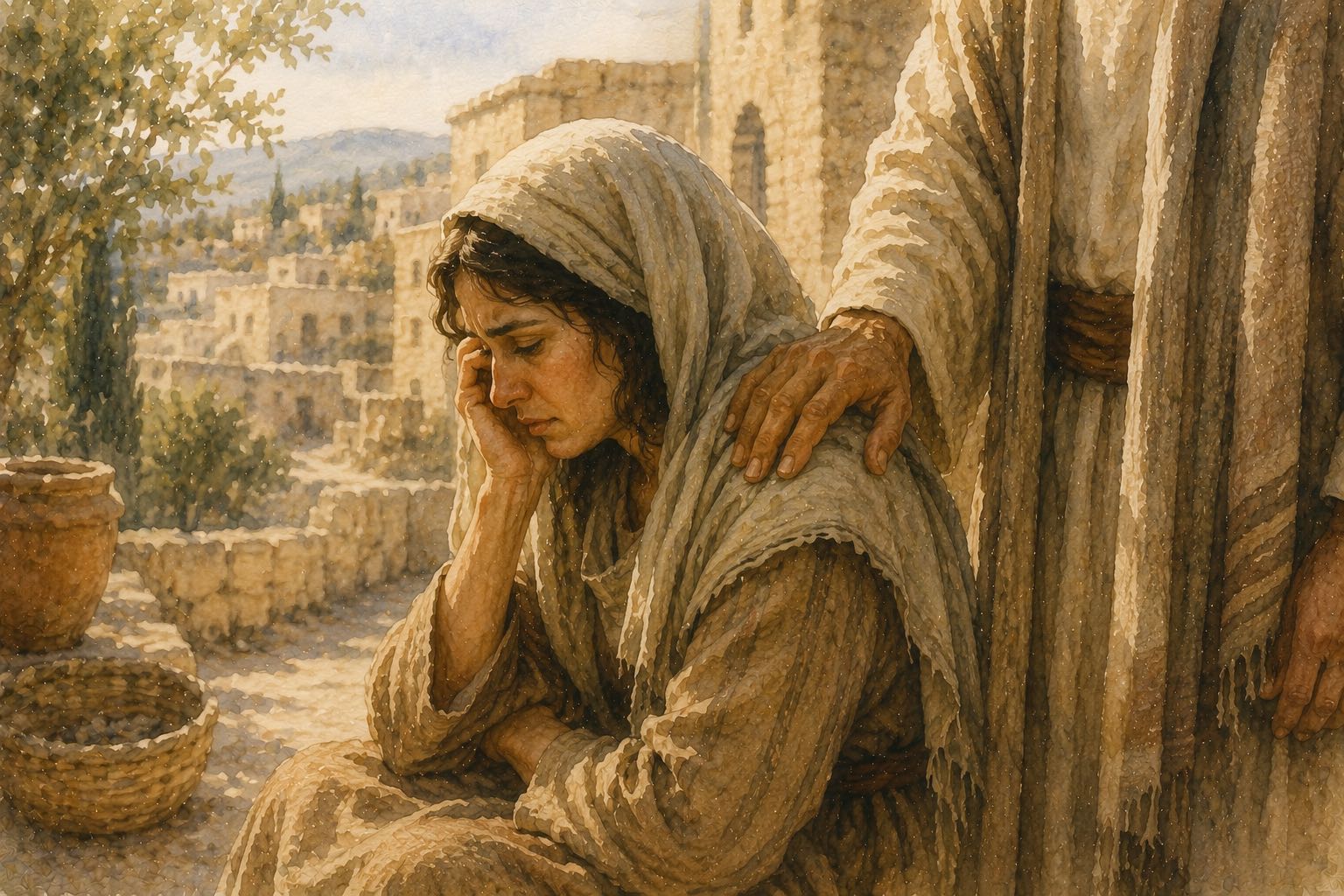
Yibbum, often translated as Levirate Marriage, is a biblical commandment concerning the duty of a man towards the widow of his deceased brother. According to the Torah, if a married man died without leaving children, his brother was expected to marry the widow in order to continue the name and family line of the deceased.
The commandment is described in the Book of Deuteronomy:
“If brothers dwell together, and one of them dies and has no son, the widow of the dead man shall not be married to a stranger outside the family; her husband’s brother shall go in to her, take her as his wife, and perform the duty of a husband’s brother to her. And it shall be that the firstborn son which she bears will succeed to the name of his dead brother, that his name may not be blotted out of Israel.”
Deuteronomy 25:5-6
The primary purpose of Yibbum was the preservation of the deceased man’s name, inheritance, and place within the tribal family. In the ancient world, where family continuity and inheritance were of great importance, dying without descendants was considered a great tragedy. Through Yibbum, the firstborn son born from the union was legally regarded as carrying on the name and memory of the deceased brother.
Halitzah (The Ritual of Removal)
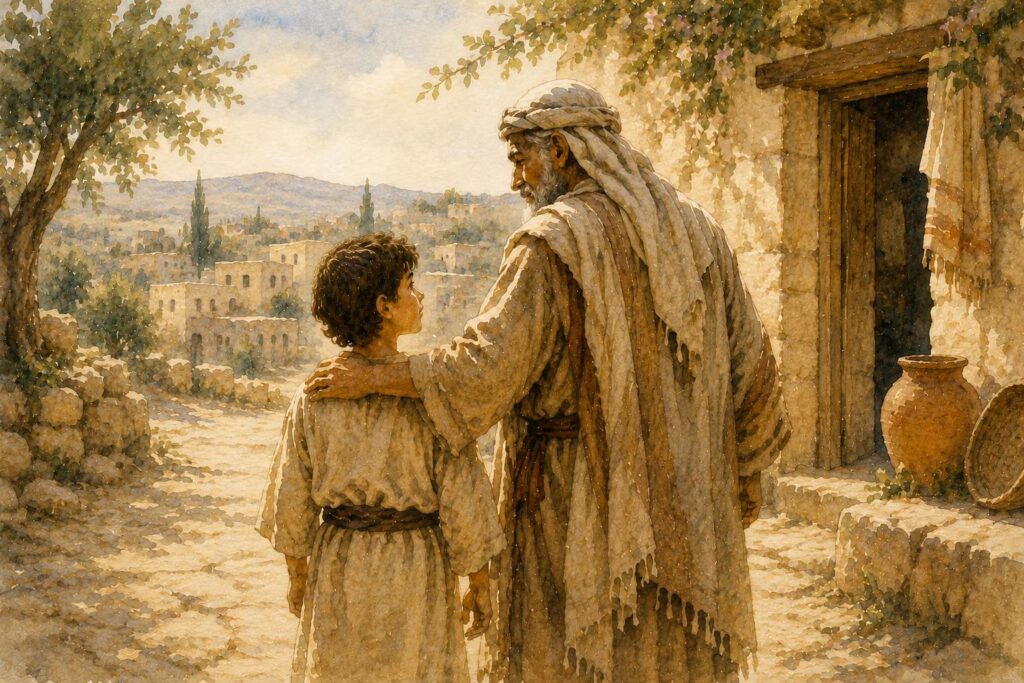
The Torah also provides a procedure for situations in which the surviving brother refused to marry the widow. This ceremony became known as Halitzah – “the removal”.
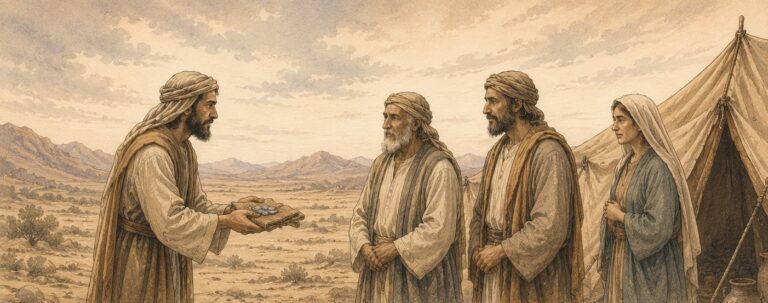
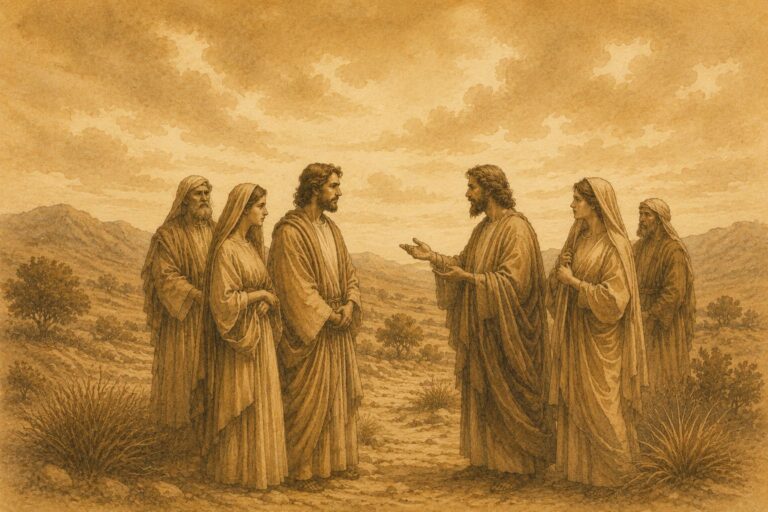
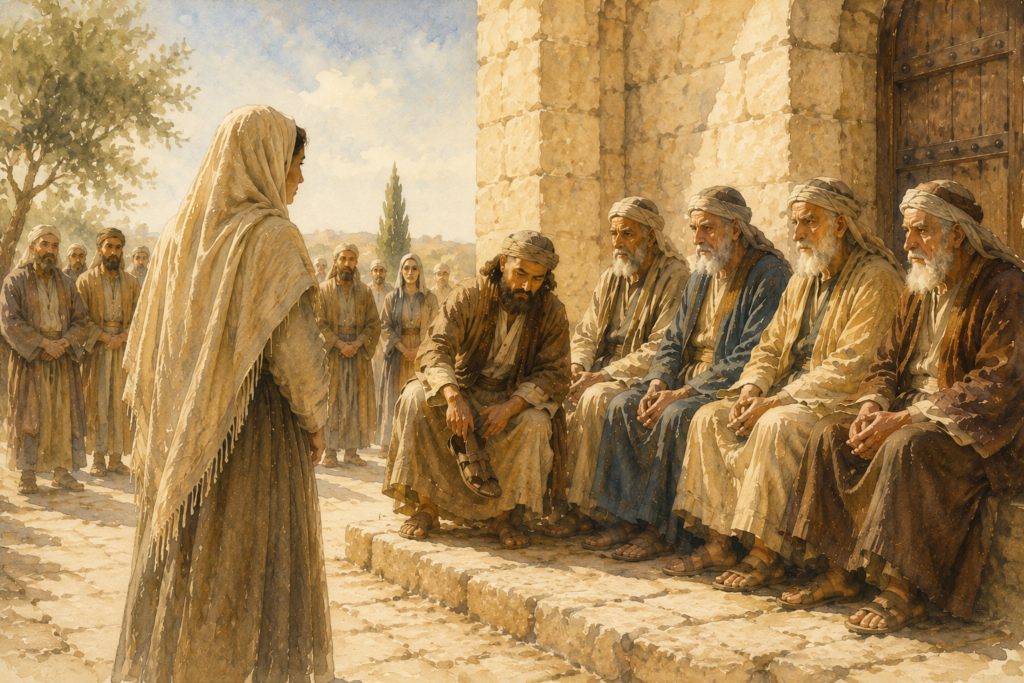
“But if the man does not want to take his brother’s wife, then let his brother’s wife go up to the gate to the elders, and say, ‘My husband’s brother refuses to raise up a name to his brother in Israel; he will not perform the duty of my husband’s brother.’ Then the elders of his city shall call him and speak to him. But if he stands firm and says, ‘I do not want to take her,’ then his brother’s wife shall come to him in the presence of the elders, remove his sandal from his foot, spit in his face, and answer and say, ‘So shall it be done to the man who will not build up his brother’s house.’ And his name shall be called in Israel, ‘The house of him who had his sandal removed.'”
Deuteronomy 25:7-10
This act was intended as a public humiliation and declaration that the man had refused his familial responsibility. In the social world of the ancient Near East, such public shame carried great weight. The removal of the sandal symbolised the surrender of responsibility and legal obligation towards the deceased brother’s household.
Until either Yibbum or Halitzah took place, the widow was considered bound to her deceased husband’s family and was forbidden from marrying another man. In later Jewish tradition, such a woman became known as an Agunah – literally “a chained woman” – because she remained unable to remarry until her status was formally resolved.
After the ritual of Halitzah, the widow was released from this obligation and permitted to marry whomever she wished.
The Book of Ruth
The Book of Ruth describes a legal ceremony that closely resembles the ritual of Halitzah, though the primary focus there concerns the transfer of redemption rights and family inheritance.
“Now this was the custom in former times in Israel concerning redeeming and exchanging, to confirm anything: one man took off his sandal and gave it to the other, and this was a confirmation in Israel. Therefore the close relative said to Boaz, ‘Buy it for yourself.’ So he took off his sandal.”
Ruth 4:7-8
In Ruth’s case, the removal of the sandal symbolised the transfer of legal rights and responsibility from the nearer kinsman to Boaz, who then became the redeemer of the family estate and the husband of Ruth.
The narrative reflects how closely marriage, inheritance, land ownership, and family continuity were connected in the biblical world.
The Social Purpose of Yibbum
Yibbum was not simply a private family arrangement. It functioned as part of a broader social system intended to preserve the stability of the tribal family and protect vulnerable members of society.
In the ancient world, a widow without children often faced an uncertain future. Without a husband or sons, she could lose protection, inheritance, and social standing. Through Yibbum, the widow remained within the protection of the family household and could continue to contribute to the survival and strength of the clan.
Children born through the union strengthened the tribal family by providing labour, protection, and continuity. The deceased brother’s memory and inheritance were preserved, while the widow gained renewed security and status within the household.
For this reason, the law was viewed not merely as a legal obligation, but also as a moral responsibility towards the weak and vulnerable members of society.
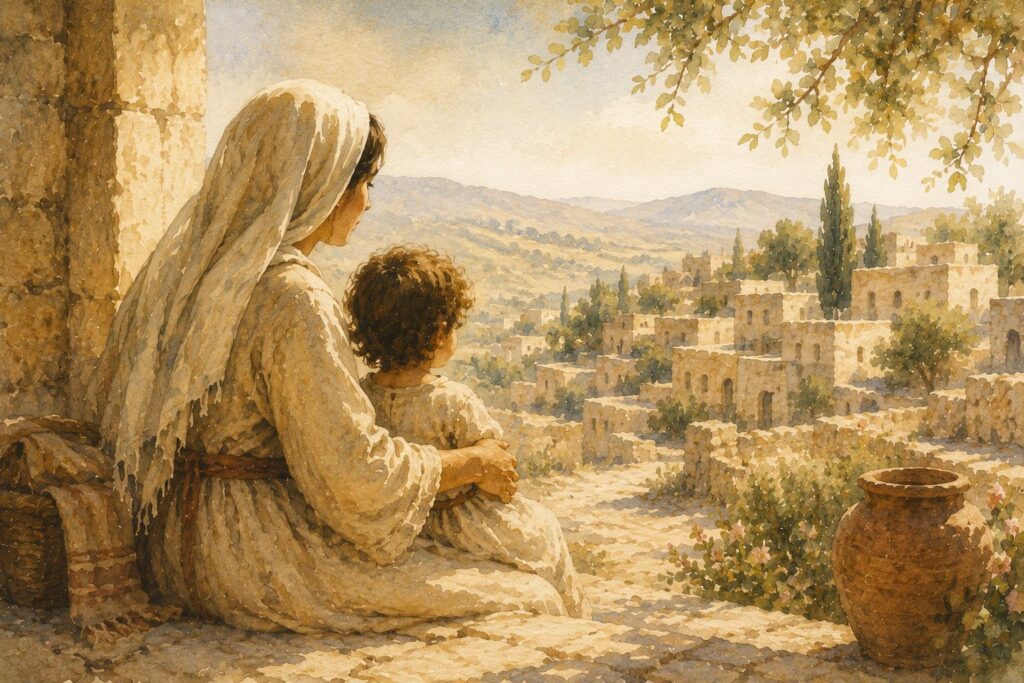
In later Jewish thought, leaving a childless widow permanently bound and unable to rebuild her life was considered a grave injustice. Some traditions even compared such neglect to bloodshed, because the woman remained trapped without the ability to establish a future household or family. The procedures of Yibbum and Halitzah therefore existed to ensure that her future would eventually be resolved one way or another.