The Pilgrimage to Jerusalem
The commandment of pilgrimage to Jerusalem and its importance comes from the obligation to appear before the Lord at the place He would choose.
“…when all Israel comes to appear before the Lord your God in the place which He chooses…”
deuteronomy 31:11
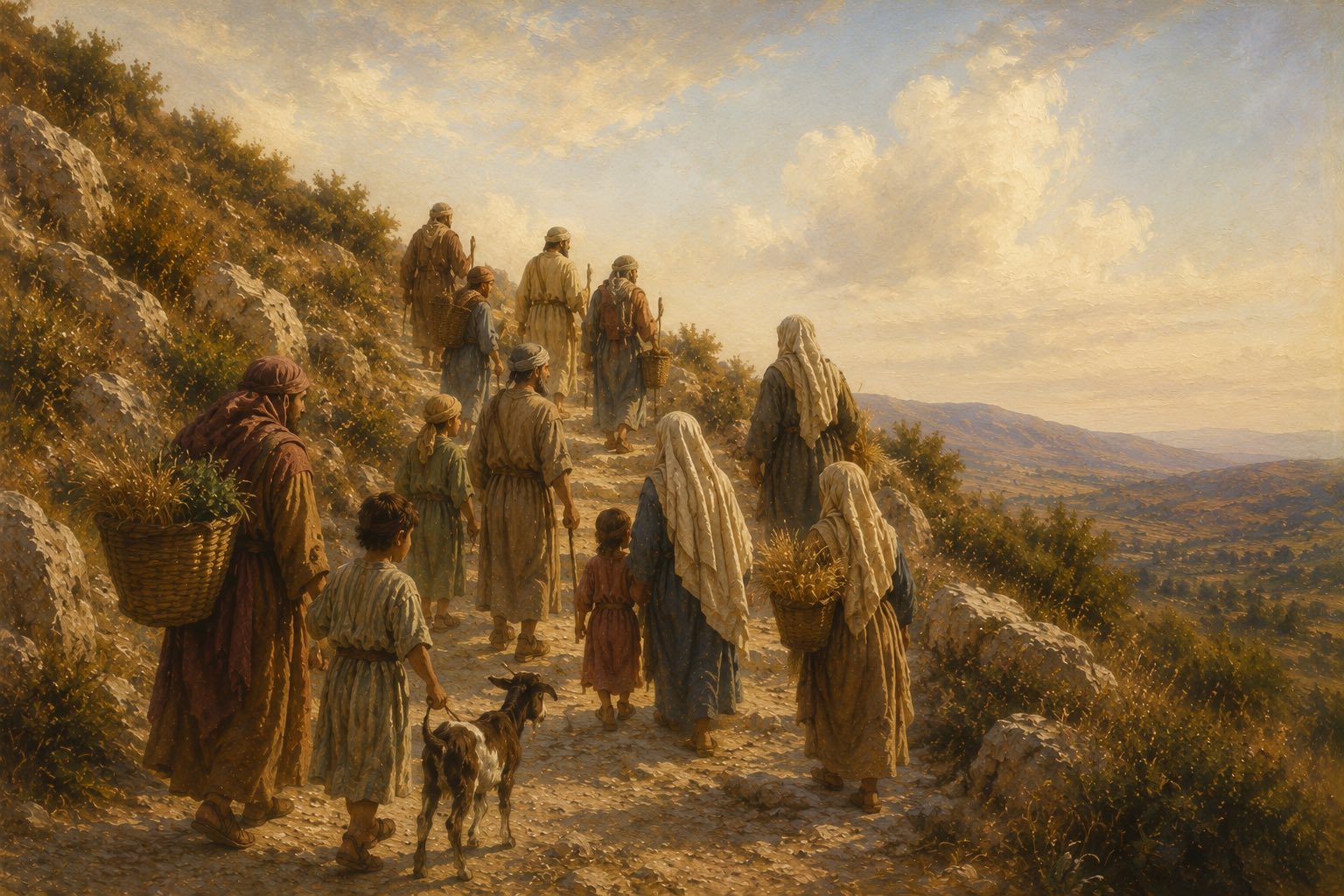
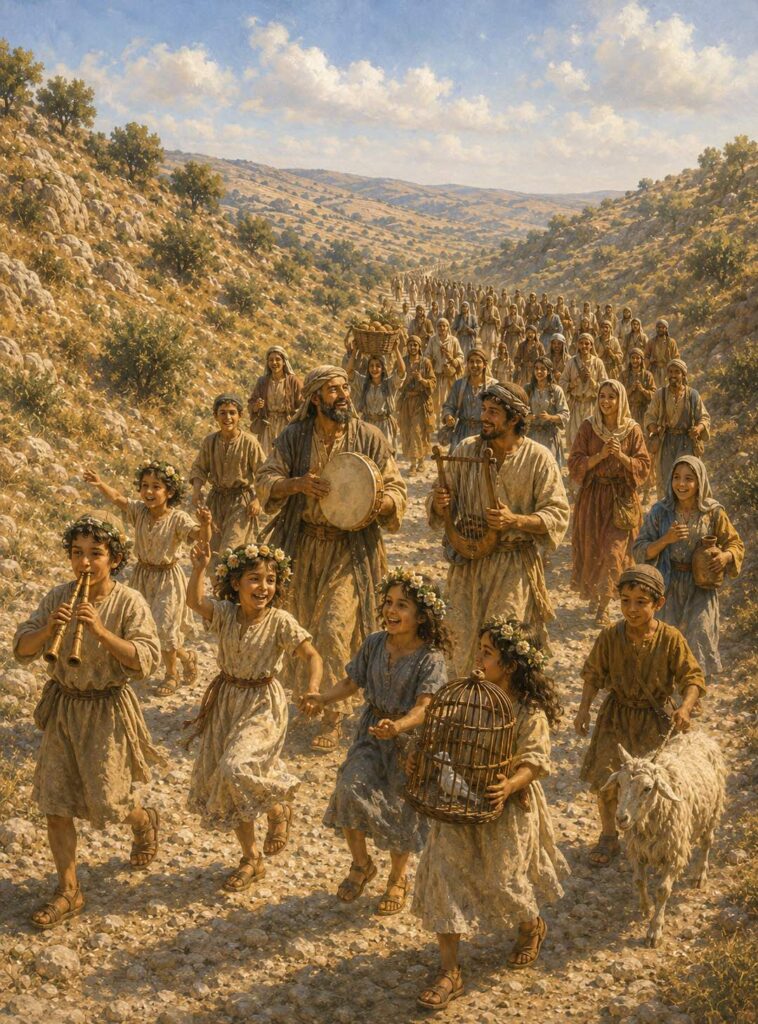
The pilgrims would gather on fixed dates in central communities throughout the Land of Israel and in the diaspora. They would ascend to Jerusalem in multitudes, singing and dancing alongside their women and children, dressed in their finest clothes and adorned with musical instruments. They would carry with them their sacrificial animals for the Temple.
There was both public and religious significance to the traditional paths that the pilgrims took to Jerusalem, through the Judean mountains and the Galilee.
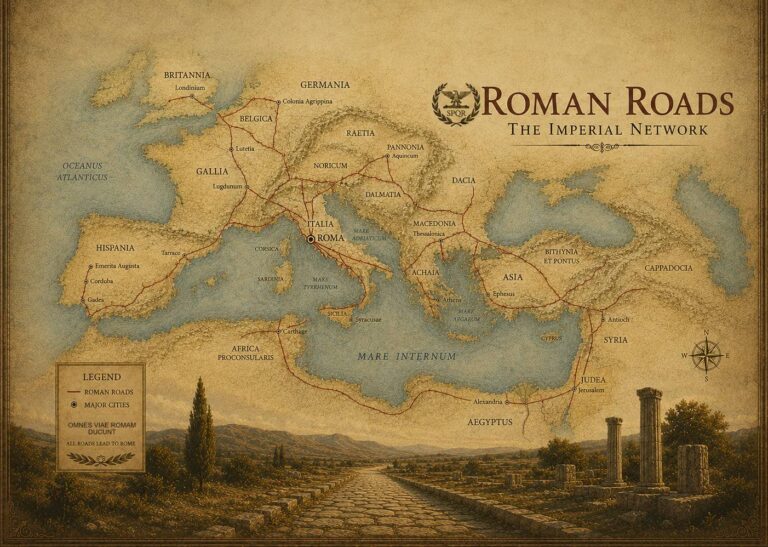
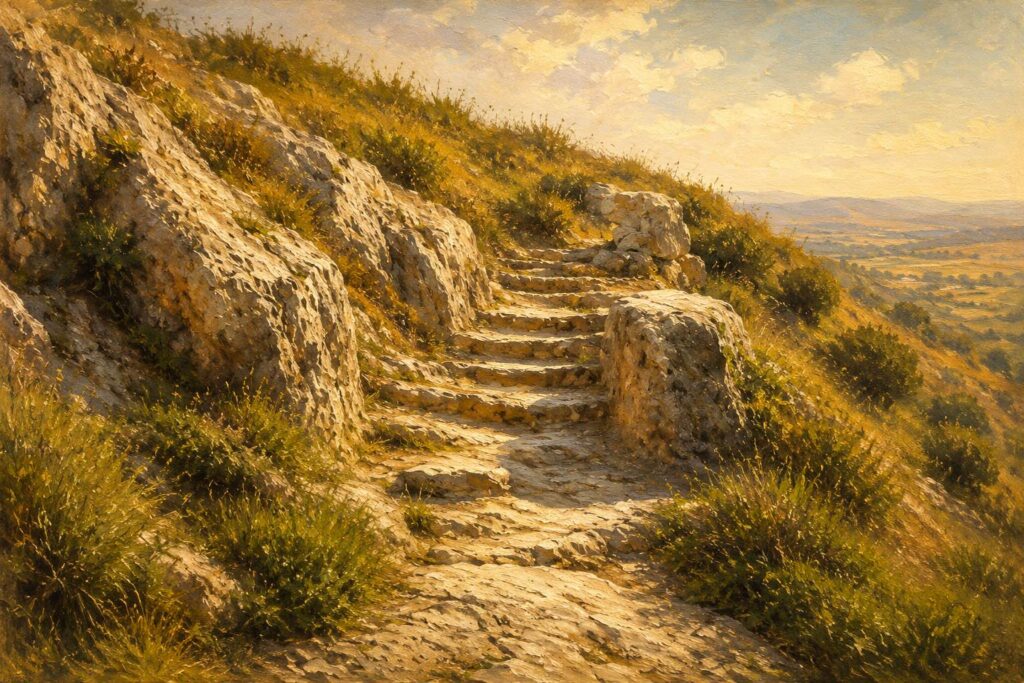
The Jewish community prepared paths for the passage of Jewish pilgrims in the Second Temple period, before the Roman imperial roads were paved in this part of the world. These were the gradual ascents (steps) carved through the pilgrims’ paths to Jerusalem, decades before the first Roman milestone was placed in the Land of Israel.
The commandment to ascend to Jerusalem during the High Holy Days – Passover, the Feast of Weeks (Shavuot), the Feast of Tabernacles (Sukkot), and the holiday of the wood offering, an ancient tradition in the Second Temple period when families brought wood to the Temple for the altar fires (Nehemiah 10:35) – is already mentioned in the Bible in the days of the First Temple and during the return from Babylon.
In those days, the people of Israel lived across different regions of the land, and the routes towards Jerusalem were shaped by generations of travellers making their way to the city.
The same continued in the Second Temple period, when Jewish inhabitants settled also in the plains of Lod (Lydda), the Judean plains, the Galilee, across the eastern bank of the Jordan River, and throughout the distant diaspora.
The pilgrim paths from these newer areas connected to the traditional pilgrim routes upon the Judean mountains.
In the Second Temple period, to make the journey easier for pilgrims travelling from far away – many of whom walked for days or even weeks to Jerusalem and back, in addition to the days they remained in the city during the festivals – the Sanhedrin (the central court) ordered the repair and maintenance of the road system.
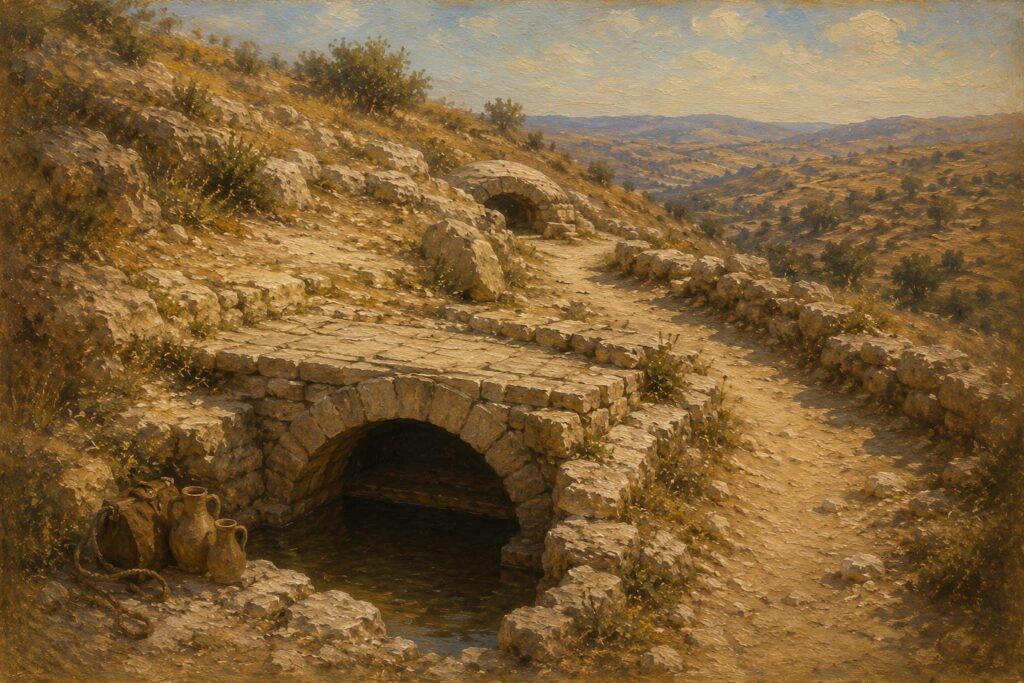
Fruit trees were planted along the pilgrimage routes at certain points, together with cisterns for water and Mikvaot (ritual baths), which pilgrims would encounter every few kilometres. The fruit trees and cisterns along the pilgrimage routes were intended for the immediate needs of pilgrims during the journey itself, with the fruit and water consumed there rather than carried onward for later use.
All pilgrims heading to Jerusalem were obliged to maintain ritual purity, especially the twenty-four priestly families, who formed the ‘Priestly Shifts’ and used these paths leading to Jerusalem in order to fulfil their obligation to serve in the Temple twice each year, one week at a time.
“Thus I cleansed them of everything pagan. I also assigned duties to the priests and the Levites, each to his service.”
nEHEMIAH 13:30
The Temple institutions and civil administration in Jerusalem worked to make both the pilgrims’ stay in Jerusalem and their journey there easier.
Ahead of the holy days, the institutions directed the Jewish inhabitants to renovate and improve the paths near their homes. The preparation and maintenance of these pilgrimage routes were entrusted to nearby Jewish communities, and caring for these paths was considered a great honour.
The commandment of pilgrimage to the Temple appears three times in the Torah:
“Three times a year all your males shall appear before the Lord your God in the place which He choose: at the Feast of Unleavened Bread, at the Feast of Weeks, and at the Feast of Tabernacles; and they shall not appear before the Lord empty-handed.”
Deuteronomy 16:16
“Three times in the year all your males shall appear before the Lord God.”
Exodus 23:17
“Three times in the year all your males shall appear before the Lord, the Lord God of Israel.”
Exodus 34:23
Especially during the Second Temple period, after the return from the Babylonian exile, the people shaped their lives around Jerusalem and the Temple, which stood at the centre of their existence and worldview.
The people of Israel, most of whom earned their living from the land, lived according to the commandments of the Torah and brought to the Temple throughout the year offerings from the produce of their fields and their livestock.
Representatives of Israel joined the priestly shifts and the Levites responsible for the Temple rituals.
According to Jewish interpretation of Leviticus 4, the person bringing the sacrifice was expected to be present during the offering itself, near the altar, in an area known as the “Court of Israel”.
The sacrifice was to be witnessed with one’s own eyes, men and women together.
Most pilgrims, however, did not come only for sacrifice. Many never approached the Temple courts closely at all. They came to Jerusalem to rejoice and to connect themselves to the Temple and to the people.
It was a full experience. A festival.
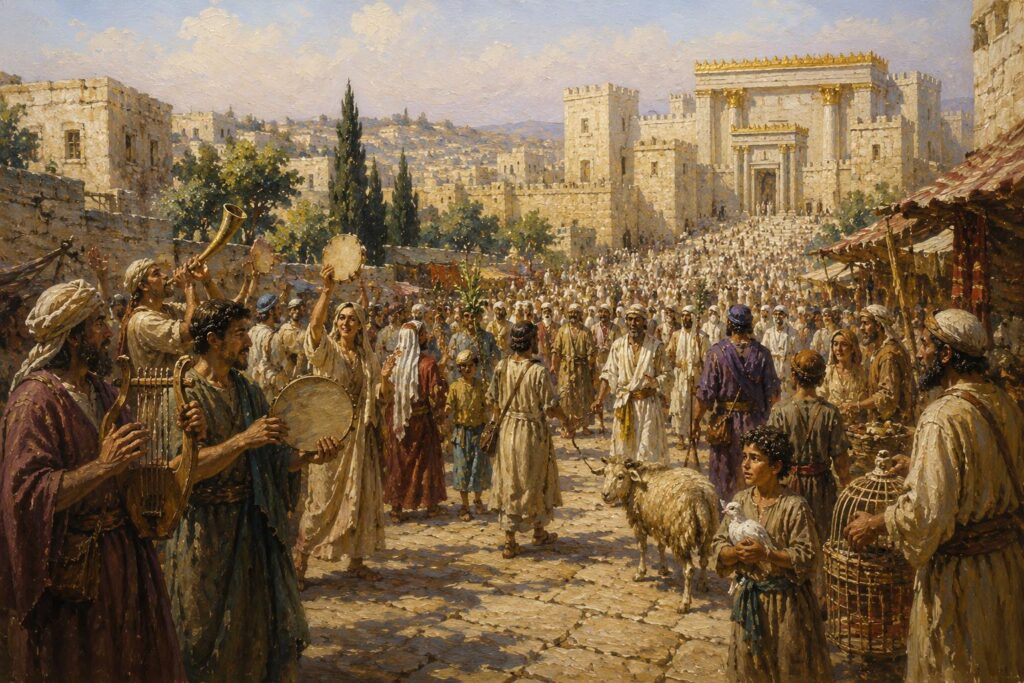
Every week, a new priestly family would ascend to Jerusalem, accompanied by a representative delegation from a region of Israel.
The people of Israel were also divided into twenty-four classes, and each class sent representatives to be present during the public sacrificial offerings.
Those ascending the Judean mountains from the east, from the direction of Jericho, could hear the sound of wind instruments and smell the incense rising from the Temple.
The journey up to Jerusalem was a sensory experience filled with joy, ritual, smell, noise, and beauty.
Preparing for the Pilgrimage to Jerusalem
The pilgrimage to Jerusalem was a long and difficult journey.
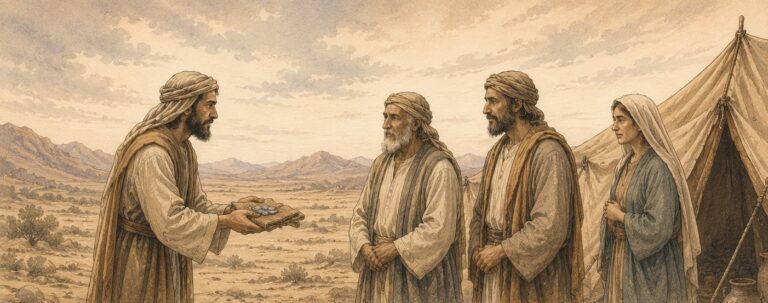
Each year, in the month of Nissan, the people of Israel would contribute the half-shekel Temple tax, a silver coin. One month beforehand, reminders would be sent throughout the Jewish world.
This contribution was gathered from Jews throughout the Land of Israel and the diaspora. It was not an entrance fee to the Temple. Rather, it was a contribution towards the upkeep of the Temple and the pilgrimage system surrounding it.
The money was used for:
- maintaining the pilgrim roads leading to Jerusalem
- maintaining the cisterns and ritual baths along the pilgrimage routes
- repairing the streets and gathering plazas in Jerusalem
- caring for the needs of the pilgrims
- marking cemeteries and burial grounds along the pilgrimage roads so that the pilgrims would not unknowingly contract impurity from the dead
If a pilgrim or sacrificial animal became impure through contact with a grave, the offering would become invalid and the individual would remain ritually impure until purification through living water and the ashes of the red heifer had taken place, followed by a seven-day purification period before ritual purity was restored.
Because of this concern, burial practices near pilgrimage routes became an important issue.
During the Hasmonean period (140–63 BC), there appears to have been an effort to avoid placing graves along the roads leading to Jerusalem, in order to prevent impurity.
Toward the end of the Second Temple period, however – especially during the Herodian era until the destruction of the Temple in 70 AD – an opposite phenomenon emerged. Monumental tomb structures belonging to the wealthy aristocratic families were built prominently along the roads approaching Jerusalem so that the many pilgrims passing by would see them.
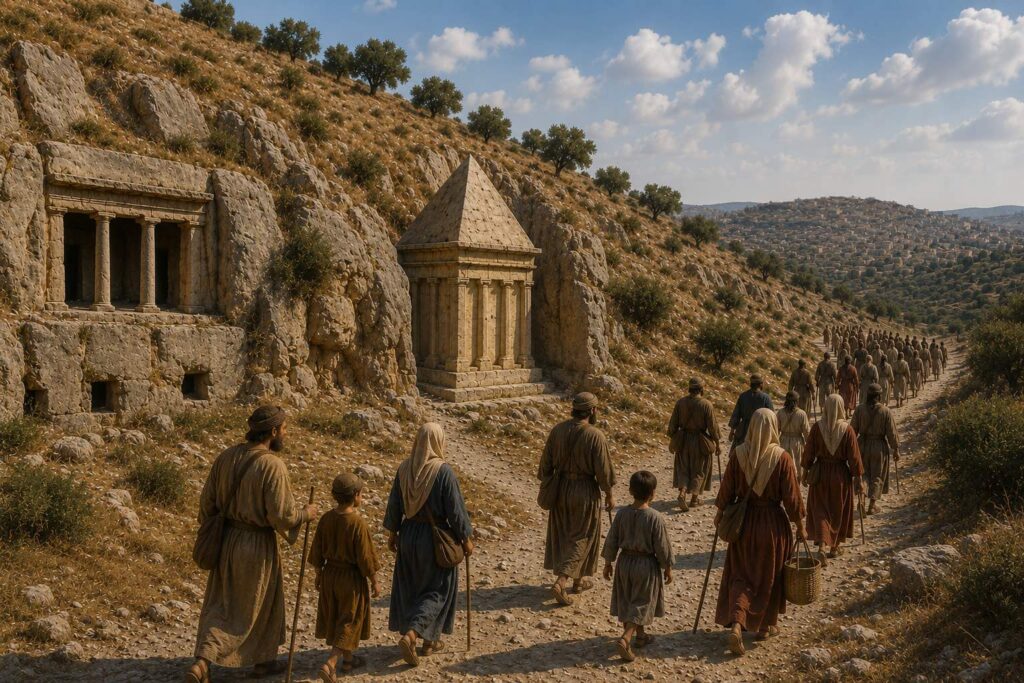
In this way, elite families displayed their status and gained greater public recognition.
The Temple tax also supported priestly garments, food for the priests, wood for the altar fires, torches, oils, and other needs associated with the Temple service.
In the days of Nehemiah, the contribution had been one-third of a shekel before later becoming the familiar half-shekel.
Those who journeyed to Jerusalem that year would personally deliver the Temple contribution to the priests. Many Jews living in the diaspora, however, likely sent their contribution without making the pilgrimage themselves.
The Temple also served as a central archive for the Jewish people throughout the world. Jews sent information regarding marriages, families, and genealogies to Jerusalem.
During the Second Temple period there existed a profound connection to Jerusalem among Jews throughout the world.
Most pilgrims did not ascend to Jerusalem solely because of religious obligation.
Jerusalem stood at the centre of Jewish life itself.
The pilgrimage was not only about sacrifice.
Jerusalem was the beating heart of the Jewish world.
People journeyed there for many reasons.
Philo of Alexandria, a Hellenistic Jewish philosopher who lived in Roman Egypt, described the immense worldwide pilgrimage to Jerusalem during the festivals:
“Countless multitudes from countless cities come, some over land, others over sea, from east to west and north to south at every feast. They take the temple for their port as a general haven and safe refuge from the bustle and great turmoil of life and there they seek to find calm weather, and, released from the cares whose yoke has been heavy upon them from their earliest years, to enjoy a brief breathing space in the scent of genial cheerfulness.”
Philo, de Specialibus Legibus 1.70
The pilgrims found peace in Jerusalem.
They formed new relationships with Jews who had previously been strangers to them. Trade connections, marriage connections, and friendships emerged. Pilgrims learned new agricultural methods, tools, and ideas from travellers arriving from distant regions.
Families separated by great distances rejoiced together in Jerusalem.
Notably, Philo barely mentions sacrifice itself.
The pilgrimage offered something far greater.
Perhaps this longing for Jerusalem lies behind the later expression:
“Next year in Jerusalem.”
We possess many historical sources describing these pilgrimages. Flavius Josephus writes that during Passover in 66 AD, around 2,700,000 pilgrims came to Jerusalem.
Even if the number is exaggerated, it still reflects the enormous scale of pilgrimage during the High Holy Days and throughout much of the year.
How Did the Pilgrims Journey to Jerusalem?
Important cities would be chosen as gathering points where nearby communities assembled together before beginning the journey to Jerusalem.
The pilgrimage was long, difficult, and often dangerous. Travelling in large groups provided safety and protection.
During the Roman conquest under Pompey in 63 BC, only Judea, the Galilee, and parts of the Transjordan remained predominantly Jewish regions.
For pilgrims travelling from the Galilee to Jerusalem, passing through Samaria could be dangerous because Samaria was not considered Jewish territory.
Ancient sources describe attacks upon Jewish pilgrims by Samaritans, sometimes alongside Roman soldiers stationed in the region.
Although some pilgrims still travelled through Samaria, the journey was considered dangerous enough that certain traditions required men travelling that route to issue conditional divorces to their wives in case they disappeared or were killed along the way, preventing their wives from becoming “Agunah” (“chained wives”).
Pilgrims arriving by sea often preferred landing at Caesarea rather than Acre, which was considered more dangerous.
Pilgrims frequently slept outdoors in ritually pure areas in order to avoid impurity. They often avoided entering buildings because they could not know whether impurity existed within them.
The gathering of pilgrims before departure could last several days. During this time they would teach, converse, play instruments, and rejoice together.
Each pilgrimage became a major communal undertaking requiring extensive preparation.
Groups of pilgrims also gathered around natural springs.
A bull with gold-plated horns and olive branches adorning its head would sometimes lead the procession, accompanied by a flautist who guided the pilgrims toward Jerusalem.
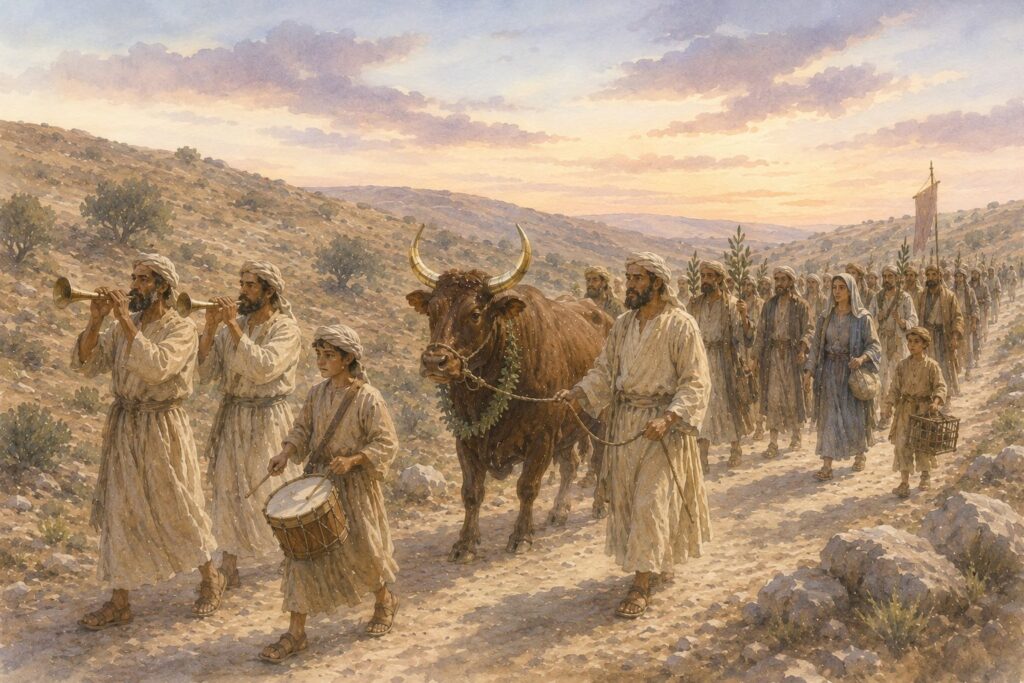
The pilgrimage became a national ritual not only for those travelling, but also for those watching them pass by. Communities rejoiced alongside the pilgrims, and some people even joined the procession as it passed.
Those who attempted to travel alone were discouraged because of the dangers of the road. Certain taxes and restrictions made solitary pilgrimage difficult, encouraging lone travellers to join larger groups.
According to Halachic law, travelling through Samaria also raised concerns regarding ritual impurity associated with the lands of the nations.
Because of this, routes through the Jordan Valley – including the route Jesus travelled from the Galilee to Jericho and then up to Jerusalem – as well as routes along the coastal plain, were often considered preferable in matters of ritual purity.
Purification Before Entering Jerusalem
Before entering Jerusalem, many pilgrims ascending from the east passed by the Mount of Olives, where purification rituals could take place.
If someone had contracted impurity from the dead, purification required the ashes of the red heifer.
According to tradition, these ashes were kept in three main locations:
- on the Mount of Olives, where many pilgrims passed on their way to Jerusalem
- near the Temple Mount itself
- and throughout the Land of Israel near priestly communities
If even one pilgrim in a travelling group had contracted impurity from the dead, purification was necessary before approaching the Temple.
Traditions concerning the ashes of the red heifer continued even centuries after the destruction of the Second Temple in 70 AD, particularly in the Galilee.
For the experience of Jerusalem itself during the pilgrimage festivals – including hospitality, purification, offerings, and communal life – continue to: Jerusalem During the Pilgrimage.