Ancient Roads in the Land of Israel
Roads and pathways have held great importance since the dawn of history.
Long before the modern highways of today, the people of the Land of Israel travelled through networks of rural paths, mountain ascents, village roads, and trade routes that connected communities across the land.
These ancient roads reveal much about the cultures that used them. Through them, we learn about agriculture, trade, pilgrimage, military movement, and daily life. The routes people travelled – and the places they connected – help archaeologists better understand the settlement patterns of ancient societies.
The roads of the Land of Israel developed gradually throughout different historical periods and were shaped by the needs of the people who travelled them. Some connected villages and fields, while others led pilgrims towards Jerusalem.
Because the land is mountainous in many regions, roads often adapted themselves to the natural topography. Roads are formed out of necessity, adapting to the needs of those who travel them.
Agricultural Paths
The smallest paths were agricultural routes connected to fields and rural areas.
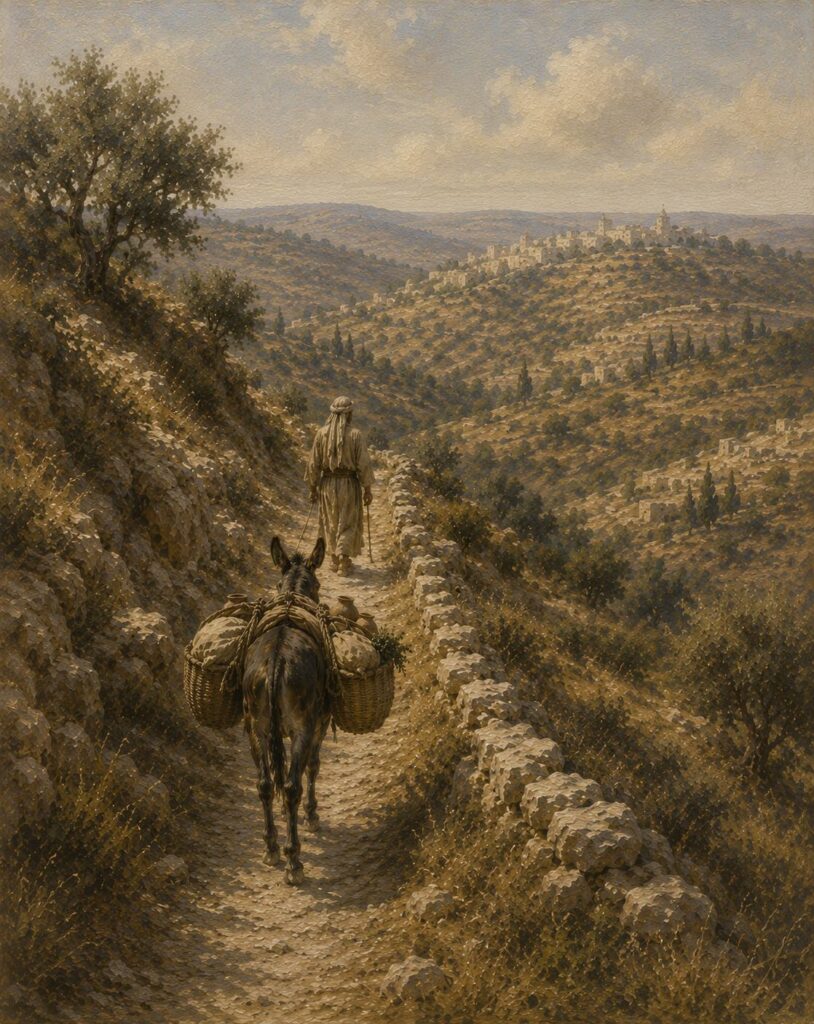
These paths were usually around 4 cubits wide (roughly 6 feet), wide enough for a donkey carrying supplies on both sides. In many cases, these were narrow one-way paths leading between fields and nearby communities.
Roads Between Settlements
Roads connecting cities and villages were generally wider.
These roads were often around 8 cubits wide (roughly 12 feet), allowing two loaded donkeys to pass one another. Before 70 AD, most roads in the Land of Israel belonged to this category.
Unlike the later Roman roads, these routes were usually not paved. However, they were still carefully maintained by local communities and the Temple authorities. Stones and obstacles were cleared away to make travel easier, and low walls sometimes marked the edges of the road.
Roman Roads
The Romans later constructed much broader roads throughout the land.
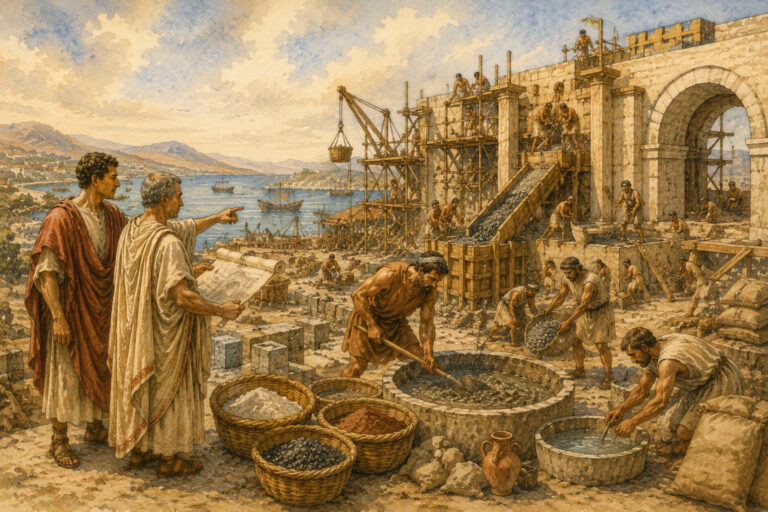
These major roads could reach 16 cubits in width (roughly 24 feet) and were designed for heavier traffic, including chariots and military movement. Roman roads were often paved and built according to imperial engineering methods.
Pilgrimage Roads to Jerusalem
Among the most important roads in the land were the pilgrimage routes leading towards Jerusalem.
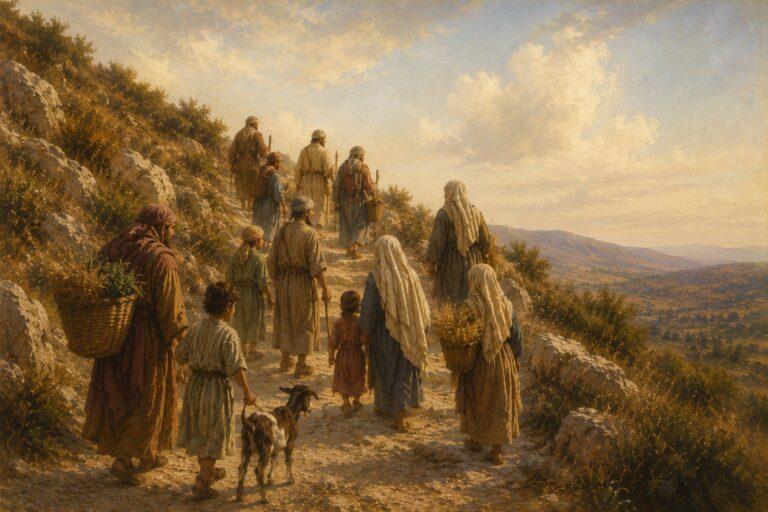
Jewish pilgrims travelling to the Temple would journey through rural road systems that connected distant regions of the country to the holy city.
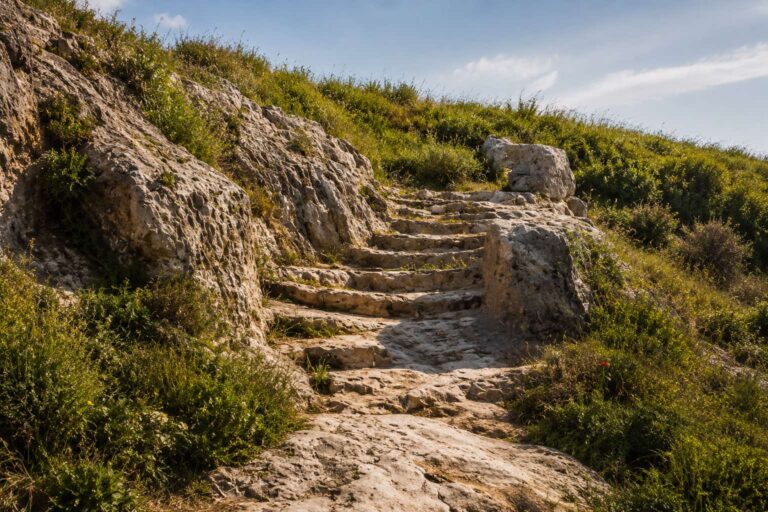
Some pilgrimage routes included gradual ascent paths – stepped sections carved into stone to help travellers climb difficult slopes. These paths were usually narrow, often no wider than 4 cubits (roughly 6 feet).
In certain places, several ascent paths were built side by side, allowing larger groups of pilgrims to ascend together towards Jerusalem.